
The Quiet Design Language of Boutique Hotels
A boutique hotel rarely wins your heart through size alone. It may be a restored townhouse with a perfectly proportioned staircase, a handful of rooms around a courtyard or a contemporary retreat that expresses the craft of its region. The common thread is identity: a feeling that the space could not be easily mistaken for somewhere else.

Human scale creates intimacy
Boutique hotels often make a virtue of the small details that large properties can overlook. An inviting seat beside a window, a framed view from the breakfast room or a beautifully lit corridor can make guests feel that the spaces were considered one by one.
This intimacy does not automatically mean comfort. A narrow stair, tiny lift or compact room can present real practical challenges. The best small hotels treat efficient layouts and accessibility with as much care as their decorative identity.
Local character without pastiche
Some of the most convincing interiors borrow from local craft without turning the hotel into a museum display. Regional stone, tile patterns, woven textiles or contemporary artwork can provide a genuine connection to place. Often one or two carefully executed references are more powerful than a dozen obvious motifs.
Ask whether the design feels relevant to its neighbourhood and building. Sensitively reused structures can carry layers of history that new construction cannot copy, but they also require technical upgrades for insulation, fire safety and modern guest expectations.
Materials you want to touch
The boutique vocabulary often includes limewash, warm timber, textured plaster, linen and patinated metals. These choices can create depth within a limited palette. Layered tactile surfaces work especially well when the architecture itself is modest rather than monumental.
The lesson is restraint. Texture gives a room character, but unchecked material mixing can look busy. A coherent palette lets furnishings, daylight and genuine pieces of craft stand out.
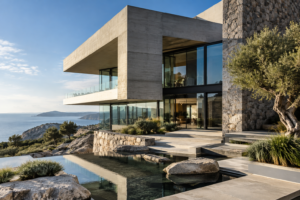
Atmosphere changes throughout the day
Soft natural light can make a breakfast room calm and generous. At night, a few well-positioned lamps and warm wall washes can change the same room into a welcoming place to linger. Small hotels have an opportunity to make this transition more personal.
Lighting should still support practical activities. Guests need to read, dress, work, find sockets and move safely. Successful mood lighting balances intimacy with utility instead of simply making every space dim.
The art of adaptive reuse
Old factories, townhouses, school buildings and rural estates can become memorable places to stay when new uses respect their original character. Exposed beams, deep windows and reused stone may become the defining details. Yet the most sophisticated conversions are not frozen in the past.
Modern ventilation, acoustic separation, accessible routes and comfortable plumbing are not glamorous, but they determine whether the hotel feels like a considered conversion rather than an inconvenient novelty.
How to choose a boutique stay
Start with a few questions: Is the room you are booking the same as the one pictured? Does the property offer a lift and accessible room options? Are restaurants, beaches or major sights within comfortable reach? What are the check-in hours and nearby noise conditions?
Boutique character is most rewarding when the small practical details align with your expectations. Read room-specific information and recent reviews, then decide whether the atmosphere is truly what you want from the trip.
Before choosing your next stay
Look for a hotel with a point of view: careful materials, a meaningful relationship to its location, comfortable scale and well-resolved details. A beautiful boutique interior should remain welcoming after the novelty of the first photograph fades.
Editorial note: This guide discusses hospitality and design principles, not an account of personal stays at particular hotels. Hotel availability and amenities should always be checked with the provider.