
How Hotel Design Shapes the Way We Travel
The feeling of arriving at a hotel is often formed before a receptionist says hello. A path bends toward a view; the ceiling rises; a material under your hand tells you something about the place. Good hospitality design is not just what we look at. It is how a building guides an experience.

01 · Arrival is a story, not a lobby
Hotel design begins with a sequence. A low doorway can make the next room feel more generous. A winding approach builds anticipation. A broad arrival hall can create confidence, while a small, warmly lit vestibule can provide instant intimacy. Successful architects use thresholds, views and changes of scale to turn an ordinary check-in into a sense of transition.
This is why the best lobby photographs may reveal little about the actual experience. When evaluating a hotel, ask how guests move from entrance to room, whether arrival feels calm or crowded, and whether public spaces truly support the way you want to spend your day.
02 · Light establishes the mood
The quality of daylight shapes how materials are perceived. Pale stone can feel luminous in reflected coastal light but flat under overhead LEDs. Timber may appear rich in afternoon sunshine and heavy in a poorly lit corridor. A thoughtful hotel considers orientation, shading, glare, privacy and the changing atmosphere from morning to night.
A dramatic full-height window is not automatically a better window. In hot climates it needs solar control; in a bedroom it needs blackout and acoustic privacy. Design becomes convincing when the iconic photograph and the comfortable night’s sleep are part of the same idea.
03 · Material choices communicate place
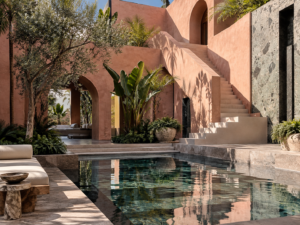
A hotel near the sea might use mineral plaster, softly textured limestone or weathered wood to echo its setting. A mountain retreat may make structural timber a central visual language. Neither palette guarantees authenticity; the connection comes from considered sourcing, craftsmanship and a response to climate.
Materials are also tactile. A cool stone floor, a linen headboard and a warm wooden handrail each create an impression without needing decoration. Paying attention to these details reveals the difference between a surface chosen for a photo and a finish chosen for years of use.
04 · Scale creates comfort
High ceilings and large atriums can create drama. Human-scaled corners, lower seating groups and protected terraces create places to linger. Strong hotels typically offer both — a memorable public gesture and quieter zones for the everyday rituals of travel.
Notice where the furniture sits in relation to windows, circulation routes and other guests. Is there room to put down a bag? Does a generous-looking lounge provide enough comfortable seats? Is the pool deck configured for both conversation and privacy? Good proportions solve these questions almost invisibly.
05 · The view is a design material
When an infinity pool aligns with the sea or a framed opening catches the curve of a mountain, the landscape becomes part of the composition. Architects can intensify the relationship with a restrained color palette and careful framing, or weaken it with distracting details.
There is an important distinction between a property that happens to have a beautiful view and one designed around experiencing that view. Consider which spaces enjoy it, whether the outlook is available from the room you intend to book, and how it changes with the seasons.
06 · A sense of place outlasts a trend
Design trends come and go. A memorable hotel often holds on to specific local references without turning them into themed decoration: regional craft techniques, climatic strategies, contemporary art or a sensitive relationship with an existing building.
Our favorite question when looking at hotel architecture is simple: could this building belong anywhere, or does it feel anchored to here? A clear answer often tells you more than a row of five-star icons.
What to take on your next trip
When choosing a stay, look beyond the hero photograph. Explore the room layout, daylight, material comfort, public-space scale and location. A truly memorable hotel works not only as a beautiful image but also as a place to live in for a few days.
Editorial note: This article discusses general design principles. It does not imply firsthand visits to properties or document a specific hotel’s construction materials.