

Maldives Overwater Villa vs Beach Villa: Which Should You Book?
A practical comparison of overwater and beach villas in the Maldives, including families, transfers, safety, lagoon access and total cost.
Image: Hamdhulla Shakeeb / Unsplash, used under the Unsplash License. It represents one specific property.
Overwater or beach villa: the main trade-offs
Pictures of the Maldives tend to focus on turquoise lagoons and timber walkways. That imagery explains why overwater accommodation is a bucket-list experience, but a beach villa may make better practical sense for travellers who want shade, garden privacy or more room to move.
| Question | Overwater villa | Beach villa |
|---|---|---|
| Main attraction | Lagoon outlook and water-level deck | Sand, gardens and easy beach access |
| Typical access | Jetty, sometimes with a long walk | Island pathways and garden routes |
| Children | Open decks need careful supervision | Pools and beaches also need supervision |
| Swimming | Depends on depth, currents and rules | Depends on tide, reef and beach exposure |
| Privacy | Can be secluded but overlook a jetty | Garden screening varies by villa |
| Price | Often a premium | Can be better value, except large pool villas |
The comparison is general. Individual villas can differ dramatically in pool facilities, direct sea access, bedroom count and the definition of “beachfront”.
What makes an overwater villa special?
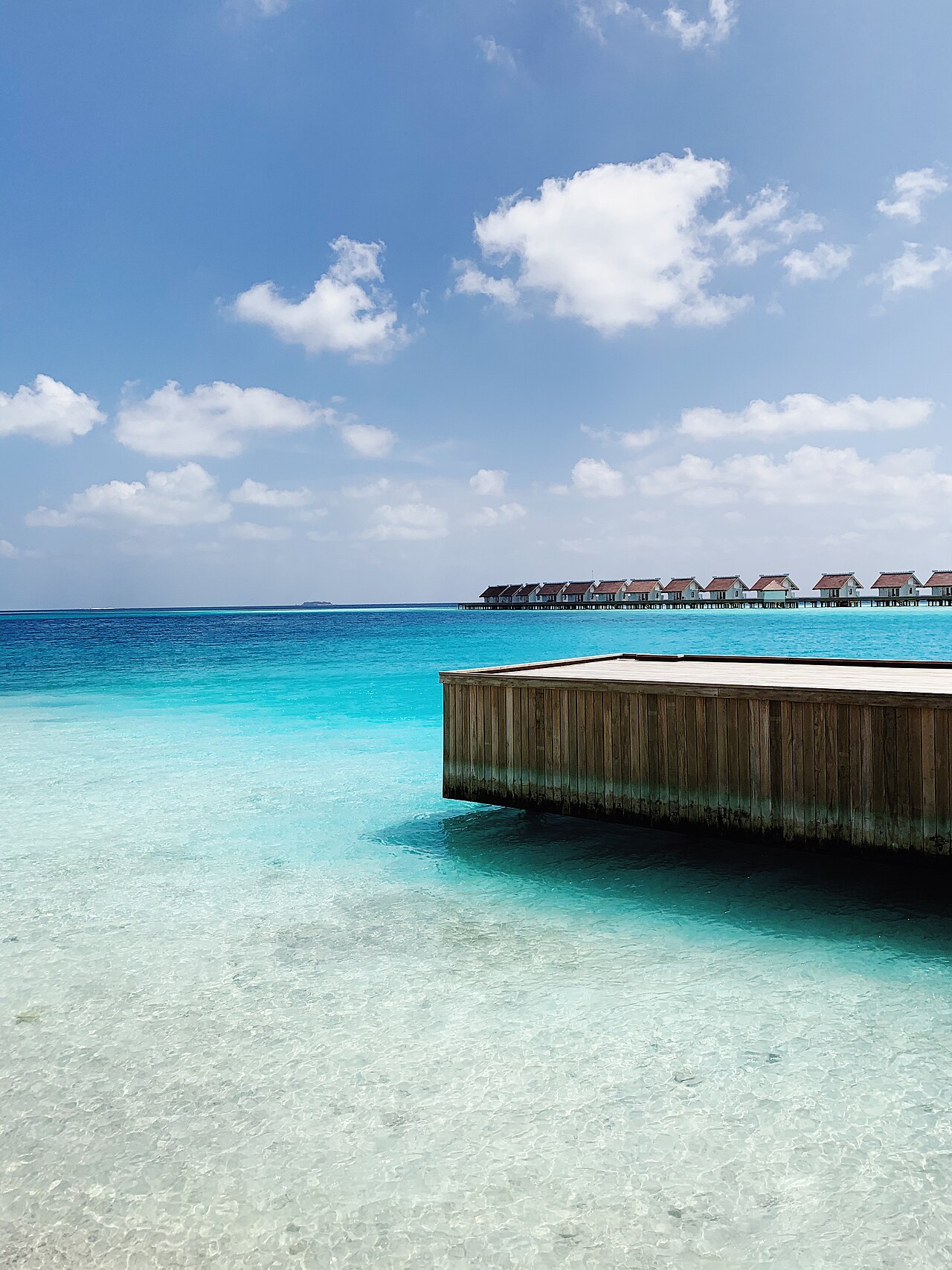
The signature appeal is the light and relationship to water. The lagoon surrounds the accommodation, and the deck becomes part of the living space. Depending on category, you may find direct lagoon steps, a private freshwater pool, outdoor shower or even a slide. The experience can be outstanding for a honeymoon or a celebration where time in the villa is central.
Think beyond the photographs, however. A long jetty can mean a hot walk to breakfast. Wind and rain can affect the outdoor space; neighbours may see parts of your deck; not every staircase leads to safe swimming water. A dramatic open-ocean position can be less suitable for casual snorkelling than a protected lagoon-facing unit. Always ask the resort where guests are permitted to enter the sea.
Why a beach villa can be the more relaxing choice

Beach villas usually put the ground, sand and tropical greenery closer to daily life. They can be particularly useful for groups who want to move between rooms, the garden and the beach with minimal stair or jetty access. Some have excellent private pools, sheltered outdoor bathrooms and generous indoor-outdoor lounges.
Not all beach villas offer unobstructed sea views. Trees may screen the horizon, and a garden path can run close to the accommodation. Some villa beaches face stronger waves or have coral underfoot. A large beach villa with a private pool can cost substantially more than an entry overwater category; price assumptions should be checked.
At Soneva Jani, official accommodation pages describe both island-style and overwater choices, providing a useful real-world example of different layouts and experiences.
Families and safety: do not rely on the room category
Families with young children should request an exact floor plan, not simply a label saying the villa is child-friendly. Overwater decks can have gaps, stairs, ladders or direct access to open water. Children must be supervised around a beach villa pool as carefully as around an ocean-facing terrace. Ask about doors and locks, deck barriers, life jackets, shallow pools and room-to-room access.
Some resort categories are restricted by age or occupancy. A villa described as sleeping “four” may have a specific combination of adults and children rather than four adults. Reconfirm capacity, extra-bed fees and whether a children’s room is genuinely separate or shares an open-plan space.
- Check how quickly children can reach the edge of the water.
- Ask whether the resort provides suitable flotation devices.
- Confirm children’s club age bands and opening hours.
- Check villa distance from restaurants and resort medical services.
Lagoon-facing or ocean-facing?
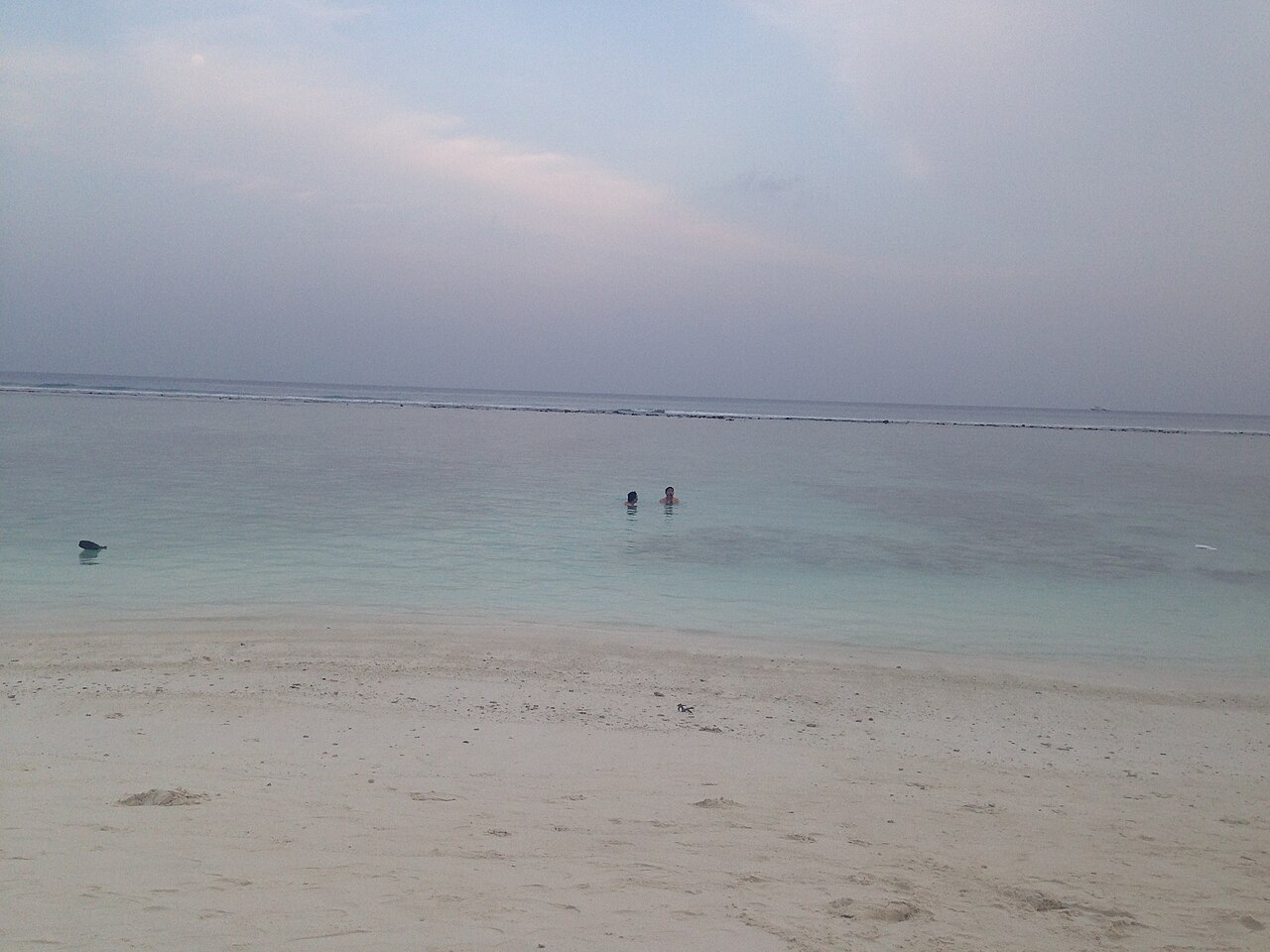
The position within a resort can matter more than the overwater-versus-beach decision. A sheltered lagoon may offer calm water and a beautiful colour, while an exposed side of an island can bring more wind and current. Sunrise and sunset orientation can also change how you use the deck.
Ask whether swimming directly from the villa is allowed, whether snorkelling is possible at all tides, and whether boat traffic or marine protections limit access. If snorkelling is your top priority, a villa near the designated reef access may be better than a room simply sold with an “infinity horizon”.
Transfers, weather and the hidden cost of arrival

Many Maldives islands require an additional transfer after arrival at the international airport. Depending on the resort, this may be a speedboat, domestic flight, seaplane or combination. Some services depend on daylight or flight schedules, so a late international arrival can change your first night’s plan.
Before paying, ask the resort to confirm the exact transfer method, total cost for all travellers, luggage conditions and whether it can be arranged for your international flight times. Do not assume a room rate includes transport. The final price also needs to account for applicable taxes, meal plans, drinks, activities, children’s supplements and cancellation terms.
Is a split stay worth it?
One appealing compromise is to book most nights in a beach villa and a final night or two overwater. You get two different experiences without changing islands. But confirm that the resort supports the category switch and will handle luggage; a changeover can involve packing and a room-readiness gap.
For a short two- or three-night trip, spending time moving rooms may not be worthwhile. For a week-long visit, a split can help manage the premium of an overwater category. A family may also prefer to spend the majority of nights in the accommodation that best matches their child-safety needs.
The Maldives villa booking checklist
- Request floor plans, not only aerial promotional photos.
- Confirm adult/child occupancy and extra bedding.
- Ask if the listed rate includes a private pool and which amenities.
- Check the sea-entry policy, tide and current conditions.
- Verify sunrise/sunset orientation and privacy from neighbours.
- Obtain the complete transfer itinerary and cost.
- Compare total dining, tax and cancellation costs.
- For children, review deck access, fencing and pool safety.
Then compare our family-resort collection and water-focused hotel guides to see what facilities matter most.
Our take
For a couple hoping for a one-off, memorable room experience, overwater may justify the extra money. For a family with toddlers or anyone who enjoys tropical gardens and easier beach movement, a beach villa may be the better luxury. Travellers keen on snorkelling should prioritise safe reef access over the type of structure their room stands on. The best villa is the one that supports the day you actually want to have.
Frequently asked questions
Are overwater villas worth the premium?
They can be when you plan to use the deck and lagoon experience. If you will spend all day outside the resort or at activities, a beach villa may give better value.
Can children stay in Maldives overwater villas?
Rules vary by resort and specific villa. Check age restrictions, barriers, life jackets and supervision requirements directly with the property.
Is a beach villa always less expensive?
No. Large multi-bedroom island villas or private-pool beach suites can cost more than an entry-level overwater villa.
Can guests swim from every water villa?
No. Sea access depends on resort policy, conditions, depth, tide and the exact location of the villa.